
The Strange Osirion Private Tour
Oct 20 • Abydos, Egypt
Hidden behind the Temple of Seti I in Abydos lies one of the strangest structures in Egypt. The Osirion (also spelled Osireion) is a massive megalithic stone structure built from enormous limestone blocks and positioned far below the surrounding temple complex. With special access through an UnchartedX private tour, we were able to descend into the structure and explore it up close.
Osirion Quick Facts
- Location: Abydos, Upper Egypt
- Located behind: Temple of Seti I
- Estimated age: At least 3,300 years old
- Construction: Megalithic limestone blocks with granite roof slabs
- Depth: Built well below the surrounding ground level
- Water level: At the natural water table
- Access: Usually closed to the public
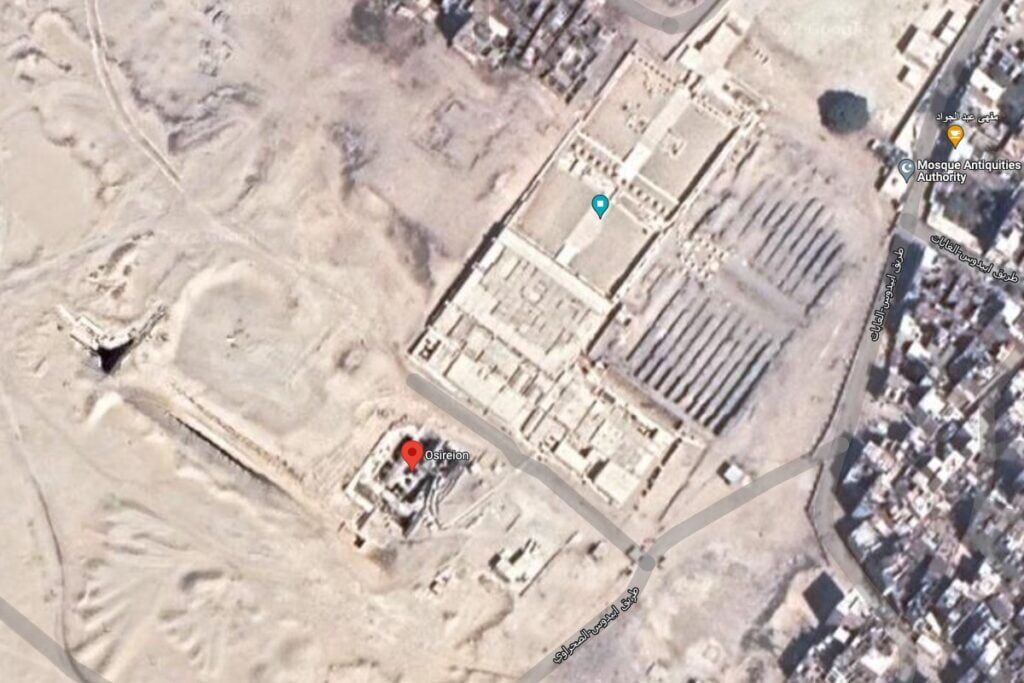
What makes the Osirion so unusual is its position. The structure sits far below the ground level of the Temple of Seti I. Combined with its completely different style of construction, this raises an obvious question: was the Osirion built long before the temple that now stands beside it?
Why the Osirion Matters
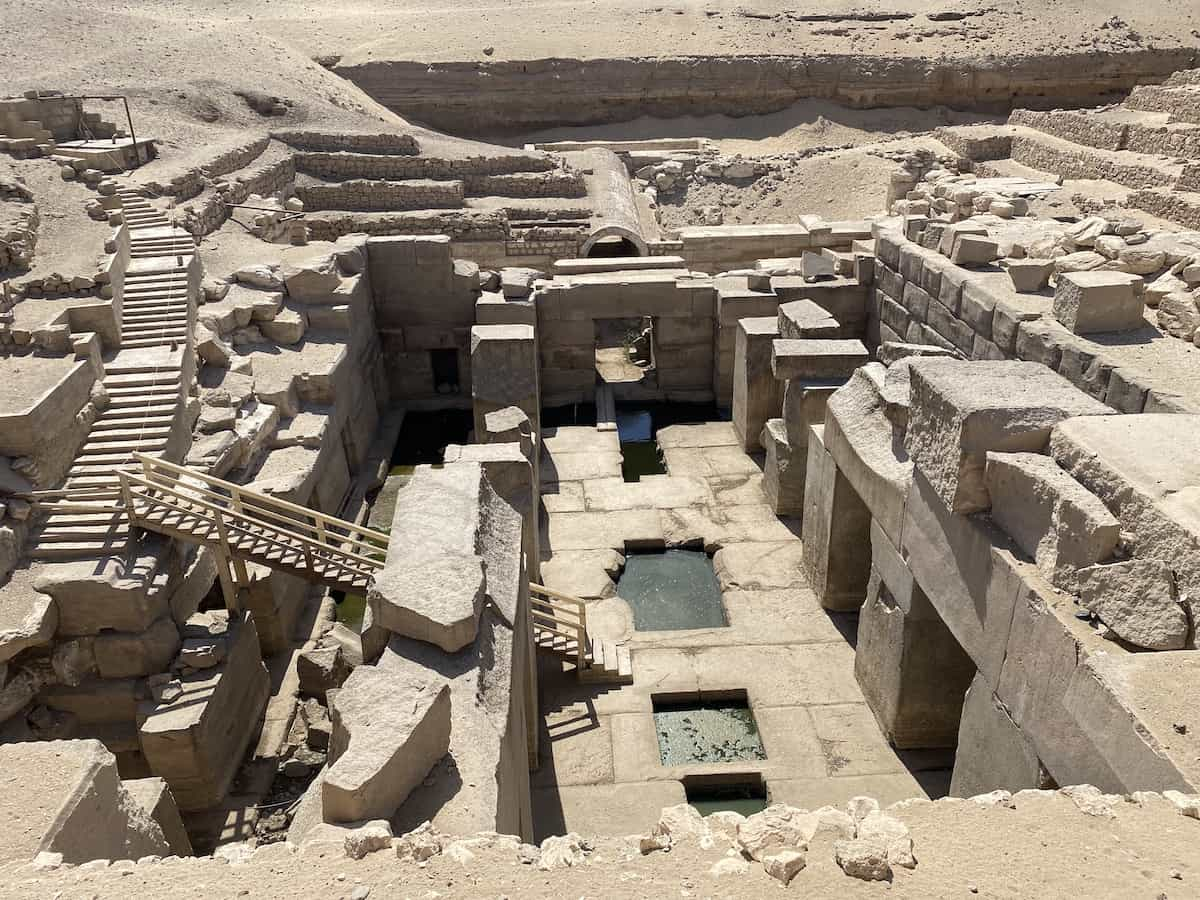
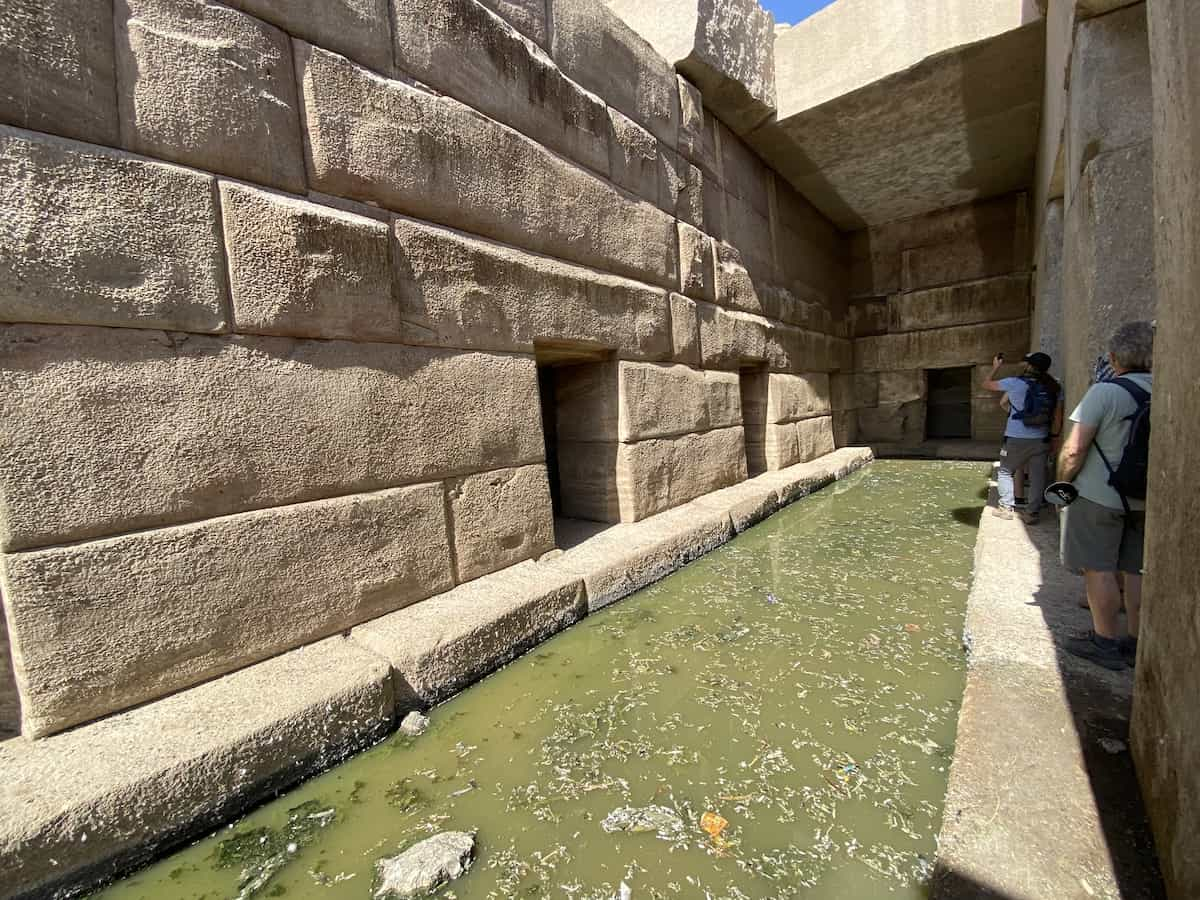
The Osirion is one of the most unusual structures in Egypt. Unlike the richly decorated Temple of Seti I next to it, the Osirion is built from enormous megalithic stone blocks and contains almost no inscriptions.
This striking difference in construction has led researchers and alternative historians to debate its origins. Was it built during the reign of Seti I as part of the temple complex, or was it an older structure that had already been buried and later rediscovered by the Egyptians?
Who Built the Osirion?
Nobody really knows. Did Seti I decide to dig down behind his temple and construct the Osirion using a completely different building technique of massive megalithic stone blocks with no hieroglyphs. Or was the Osirion built by an earlier civilization at their original ground level and later buried by sand and sediment over time? Did Seti I simply discover the structure and build his temple nearby?
For many researchers, the Osirion stands as one of the more intriguing pieces of evidence in the discussion about a possible earlier advanced civilization.

How Old is the Osirion?
The Osirion is at least 3,300 years old, which is the age of the nearby Temple of Seti I. If the structure was originally built at ground level, the layers of sediment that now surround it could suggest a much greater age, possibly closer to 10,000 years.
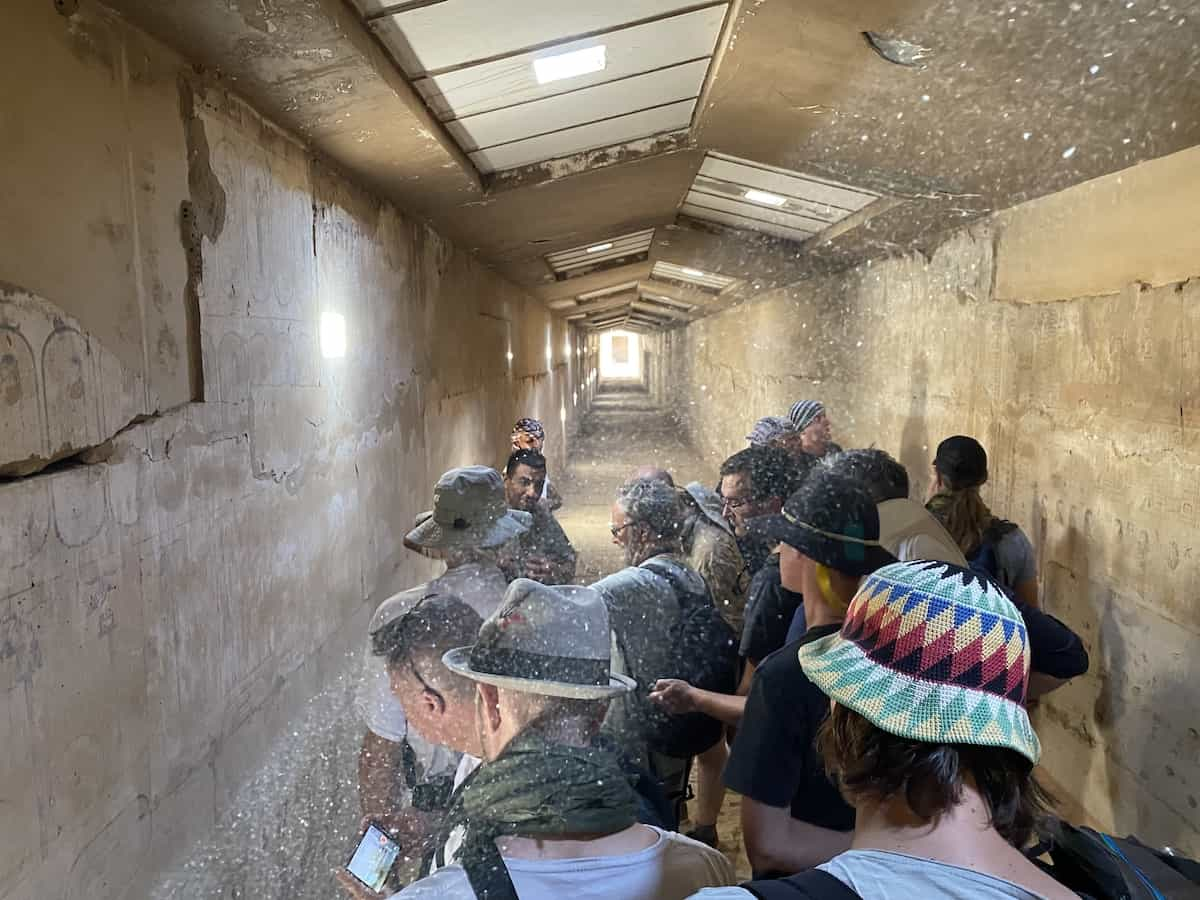
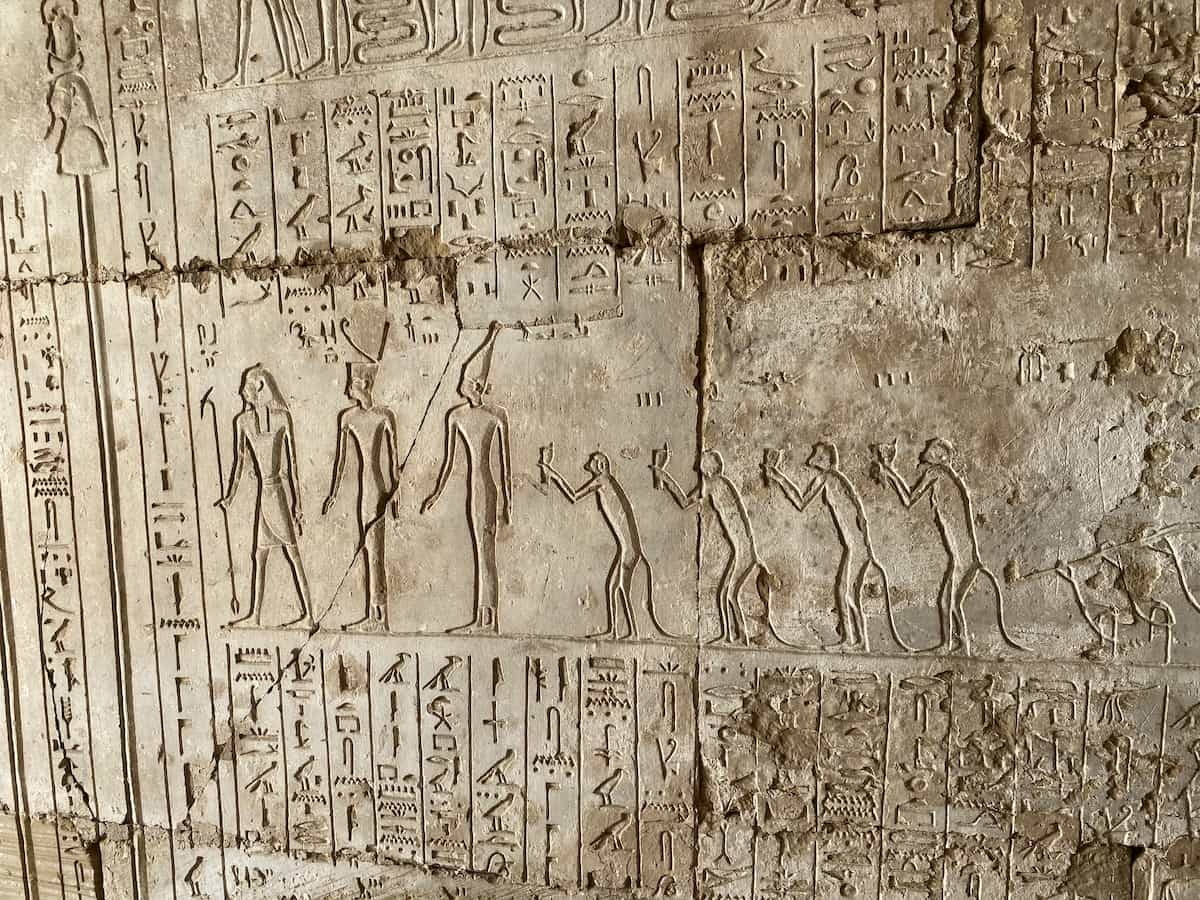
One interesting detail is that Seti I constructed a sloping entrance tunnel from ground level down to the Osirion. This passageway is covered with hieroglyphics, but at the entrance to the Osirion everything suddenly changes to massive stone blocks with no hieroglyphs at all.

Exploring the Osirion Up Close
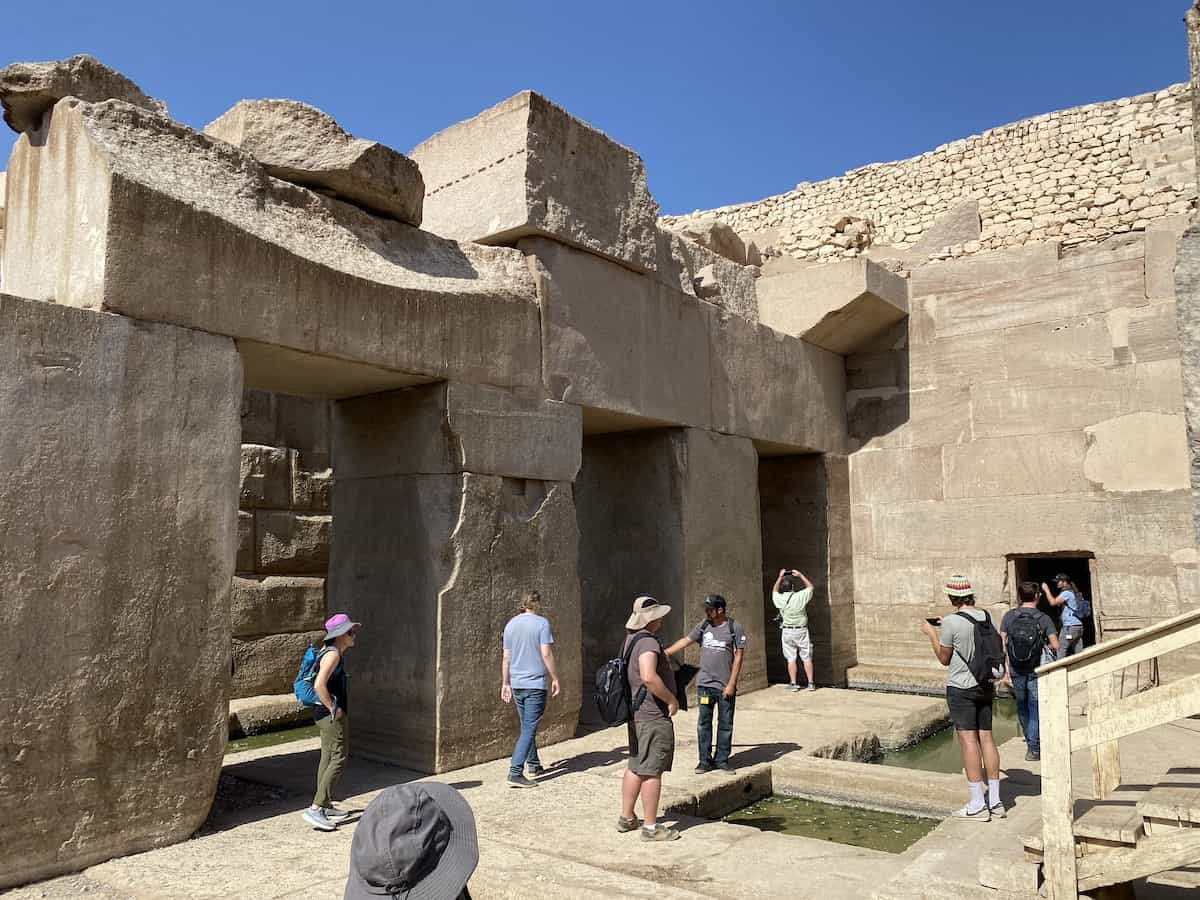
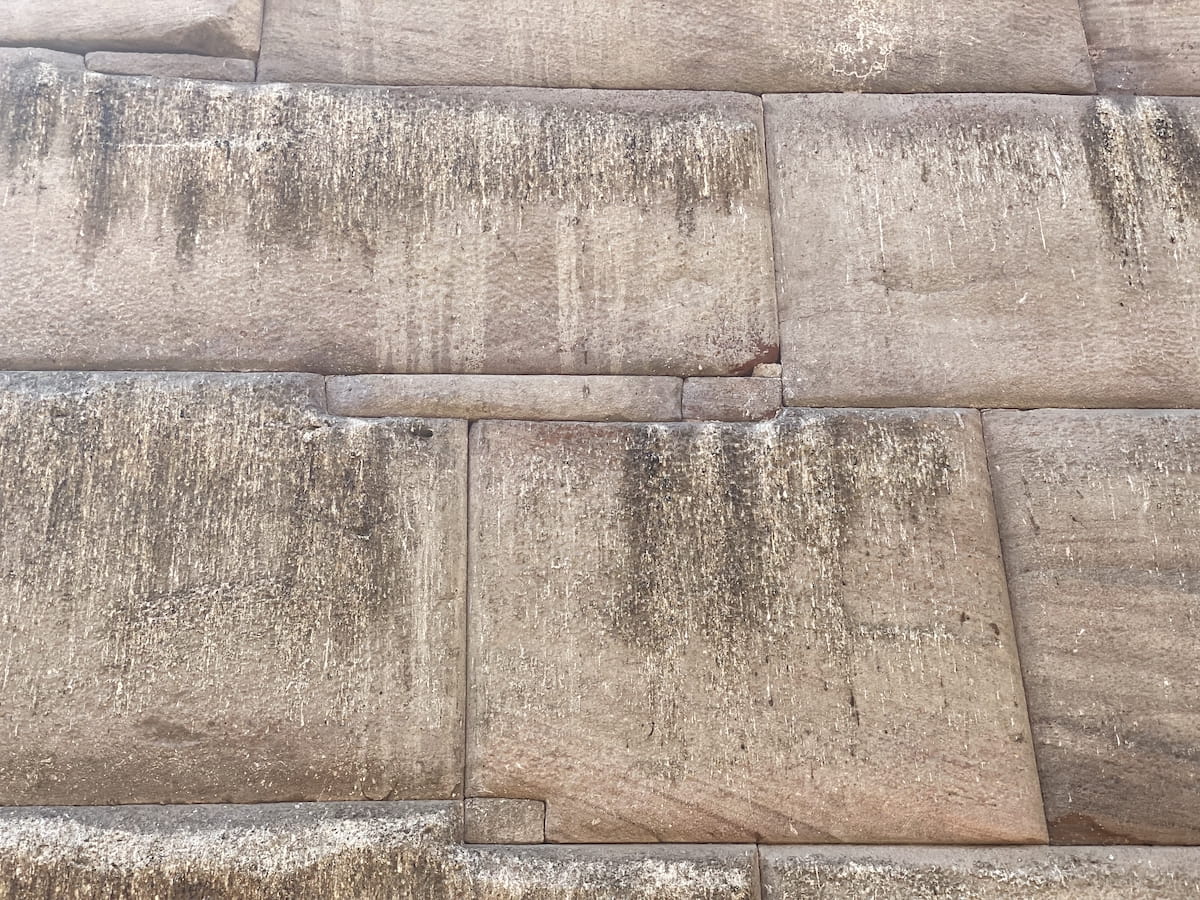
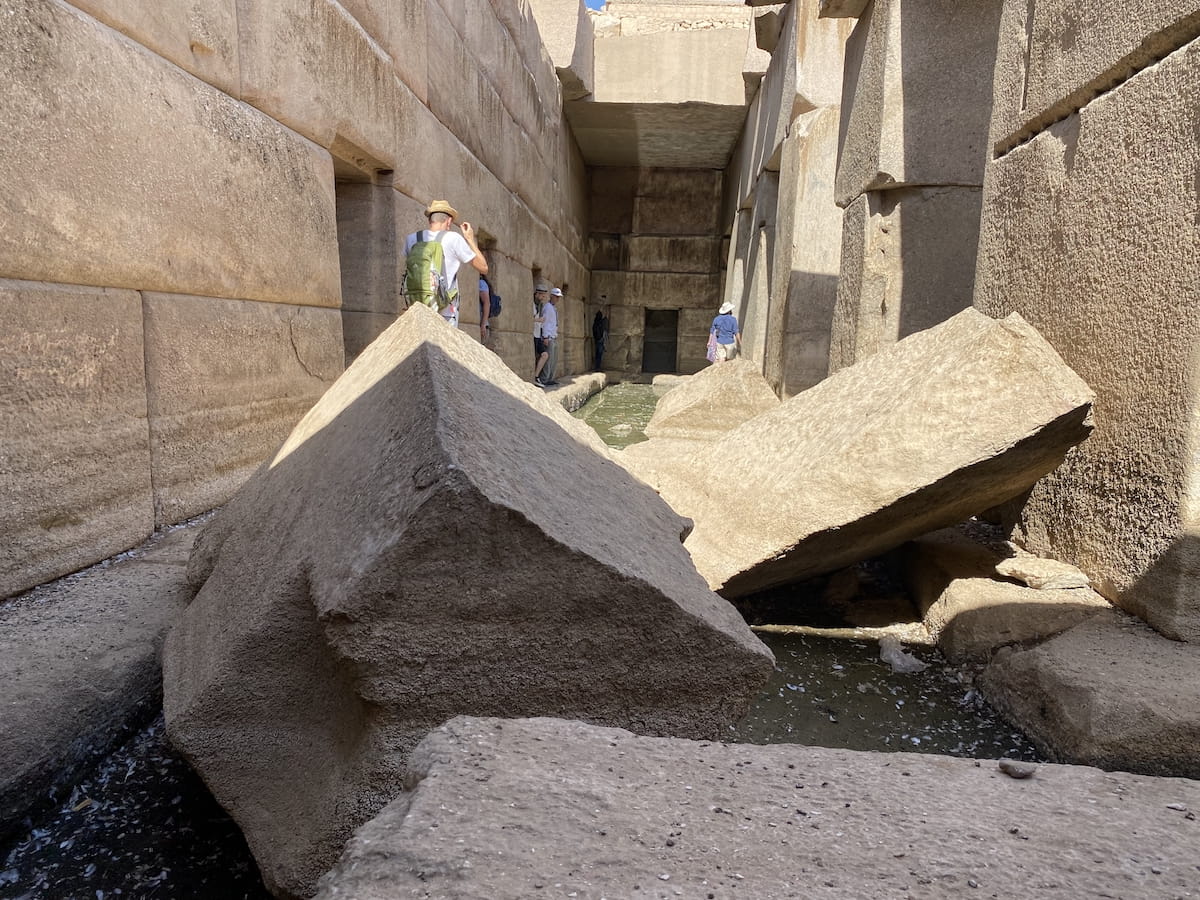
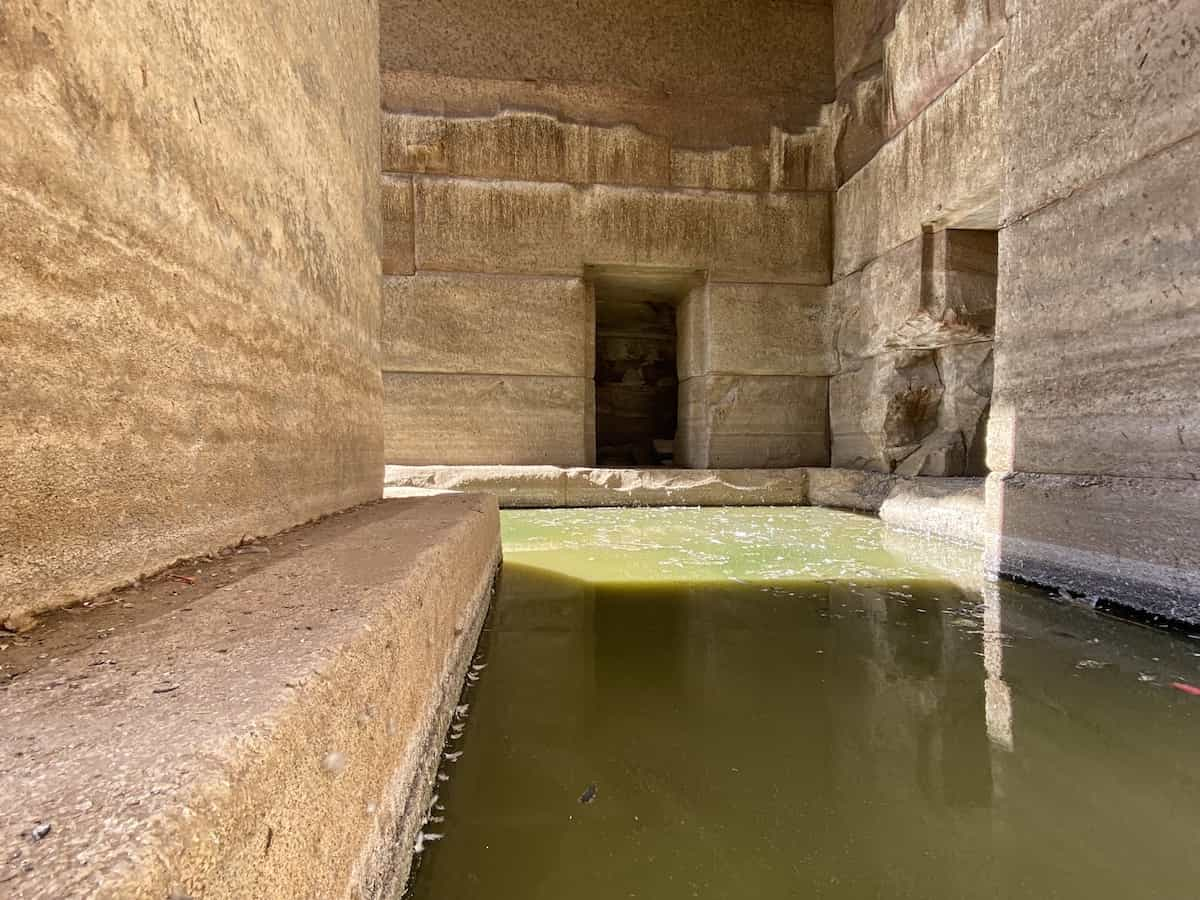
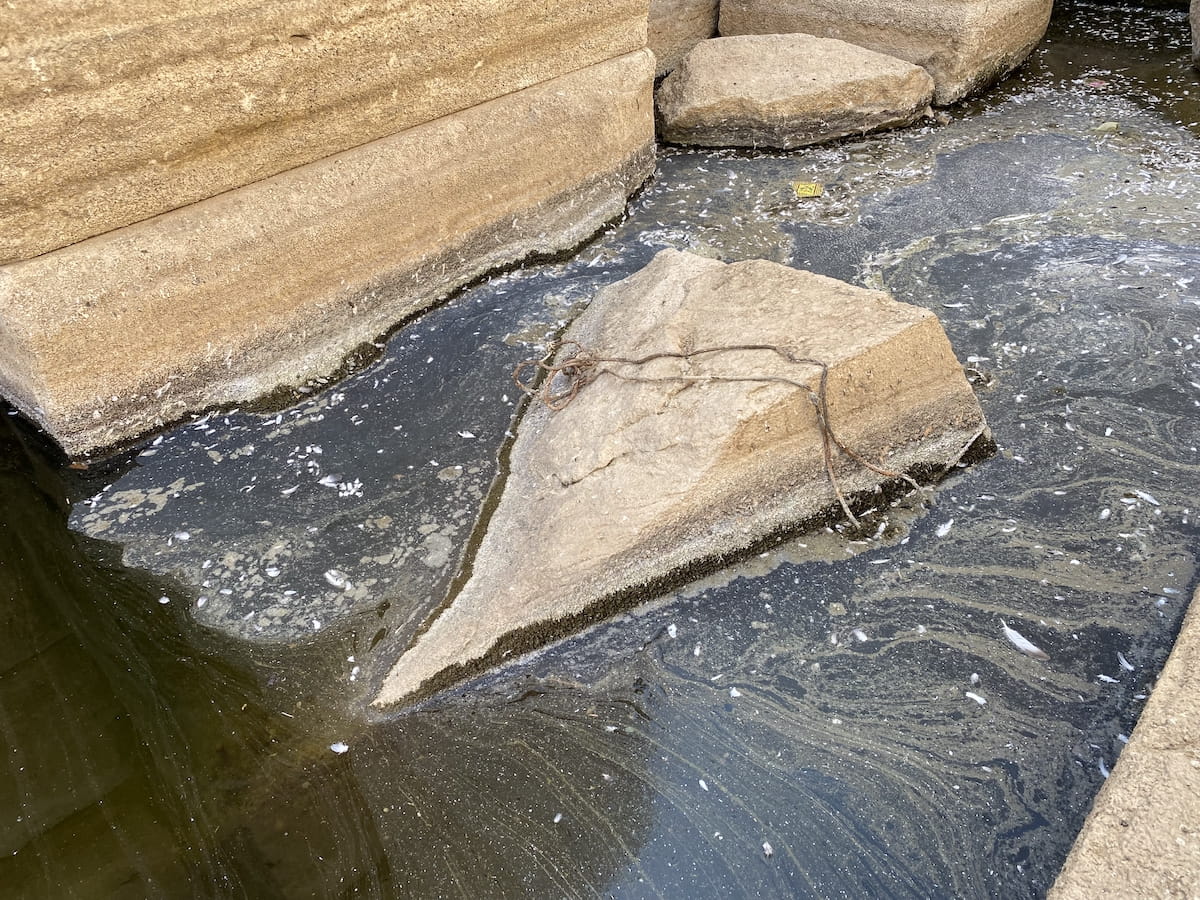
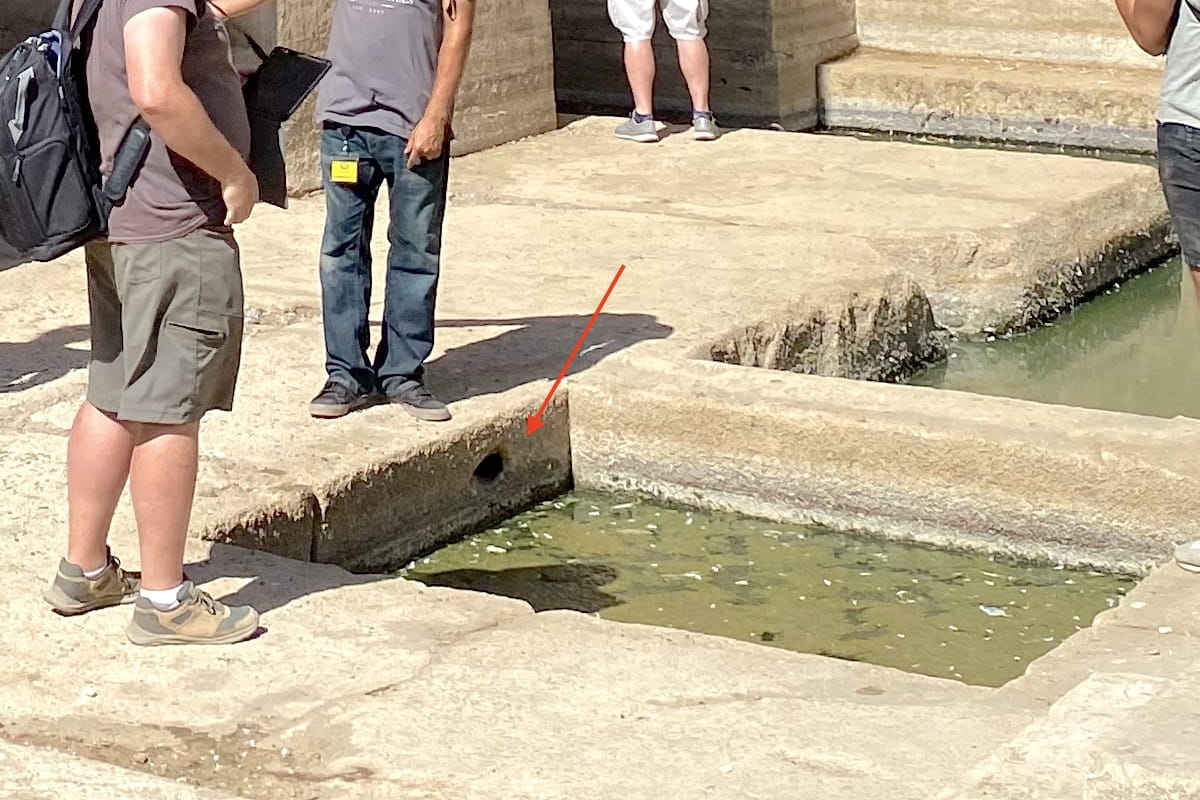
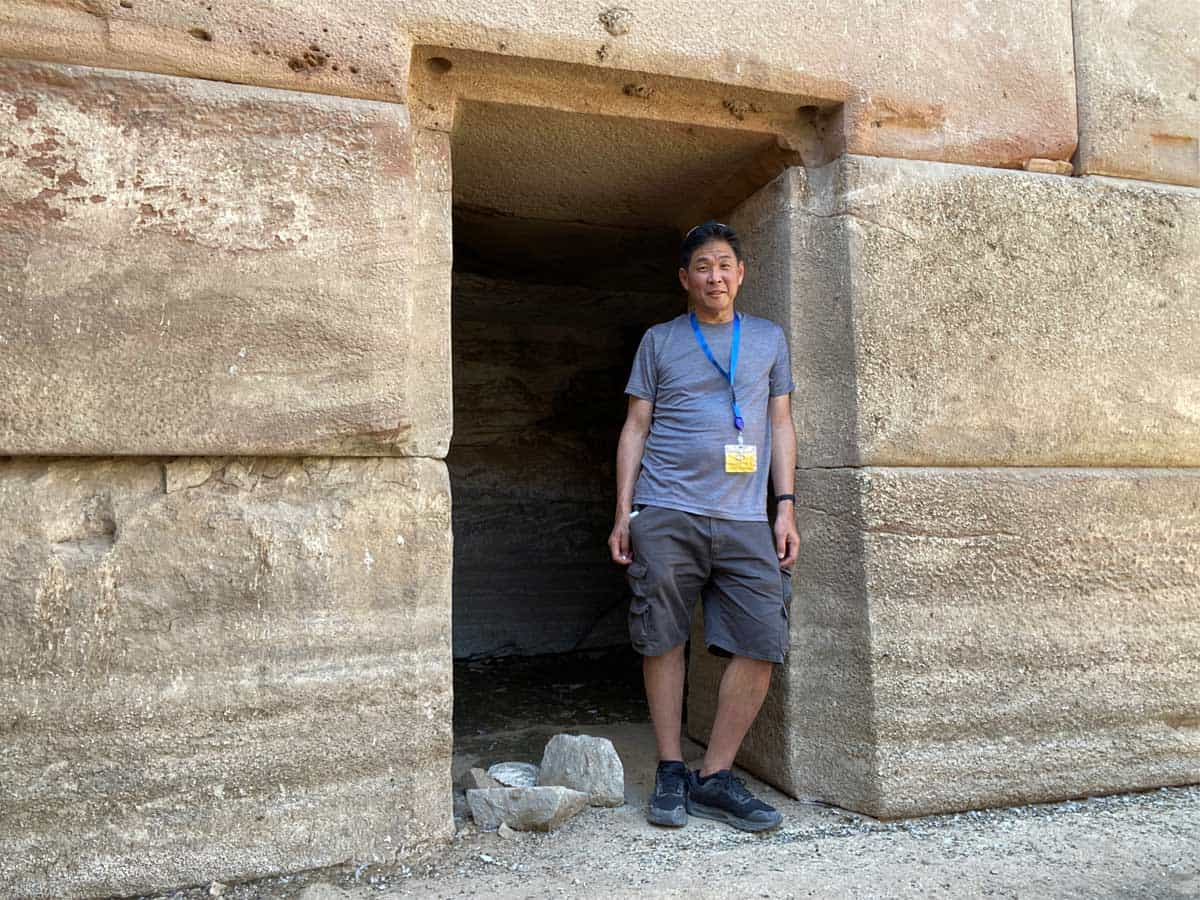
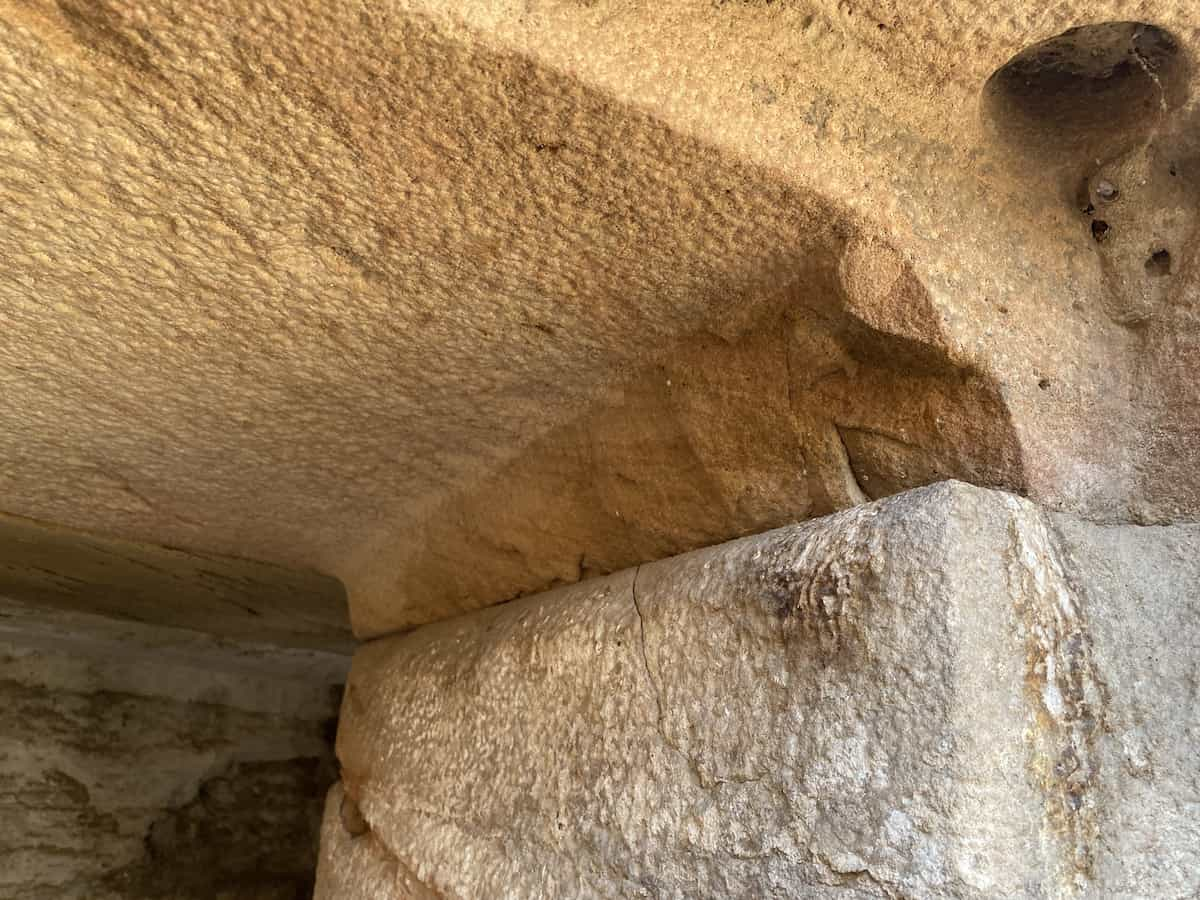
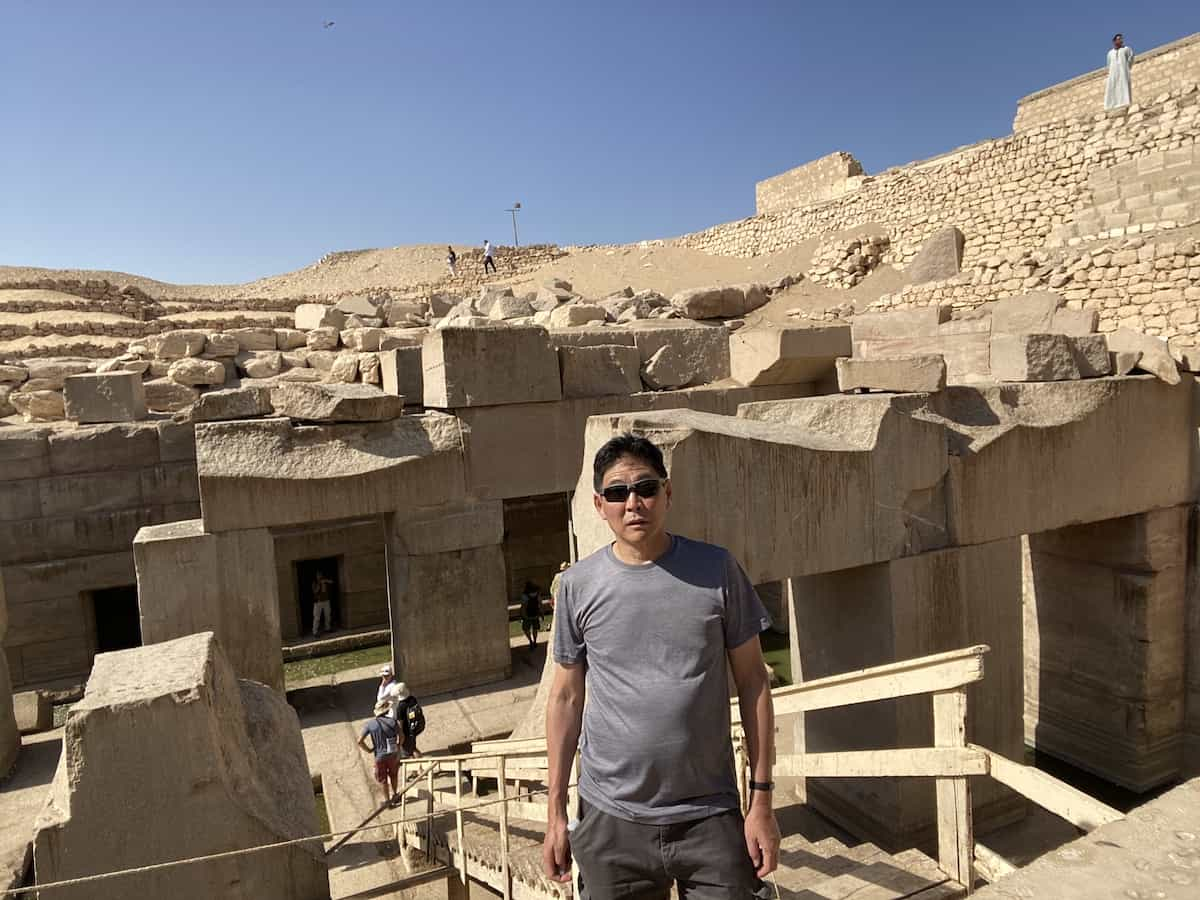
These photos show the interior of the Osirion at Abydos, revealing the massive megalithic limestone blocks, underground chambers, and water-filled passages that make this mysterious structure one of the most unusual sites in ancient Egypt.


Frequently Asked Questions (FAQ) About the Osirion
- What is the Osirion?
The Osirion (also spelled Osireion) is a large underground stone structure located behind the Temple of Seti I in Abydos, Egypt. It is built from massive limestone blocks and was likely associated with the worship of the god Osiris, the Egyptian deity of the afterlife. - Who built the Osirion?
Most Egyptologists believe the Osirion was constructed during the reign of Seti I (around 1290 BC) as part of his temple complex at Abydos. It may have served as a symbolic tomb or ceremonial structure connected to the cult of Osiris.
However, the Osirion’s megalithic construction style is very different from the decorated temple beside it. Because of this, some researchers have proposed that the structure may be older and was later incorporated into the temple complex. - Why is the Osirion underground?
The Osirion sits far below the surrounding ground level, which gives the impression that it was buried over time. In the mainstream interpretation, it was intentionally constructed underground as part of a symbolic design representing the mythological underworld associated with Osiris.
Another possibility sometimes discussed is that the structure was originally built at ground level and gradually became buried by sediment and sand over thousands of years. - Why is there water inside the Osirion?
The floor of the Osirion sits at the local water table, which means groundwater naturally collects in the lowest parts of the structure. Today the central chamber is partially flooded year-round.
Some scholars believe the presence of water may have been intentional, symbolizing the primordial waters of creation in Egyptian mythology. - Is the Osirion open to tourists?
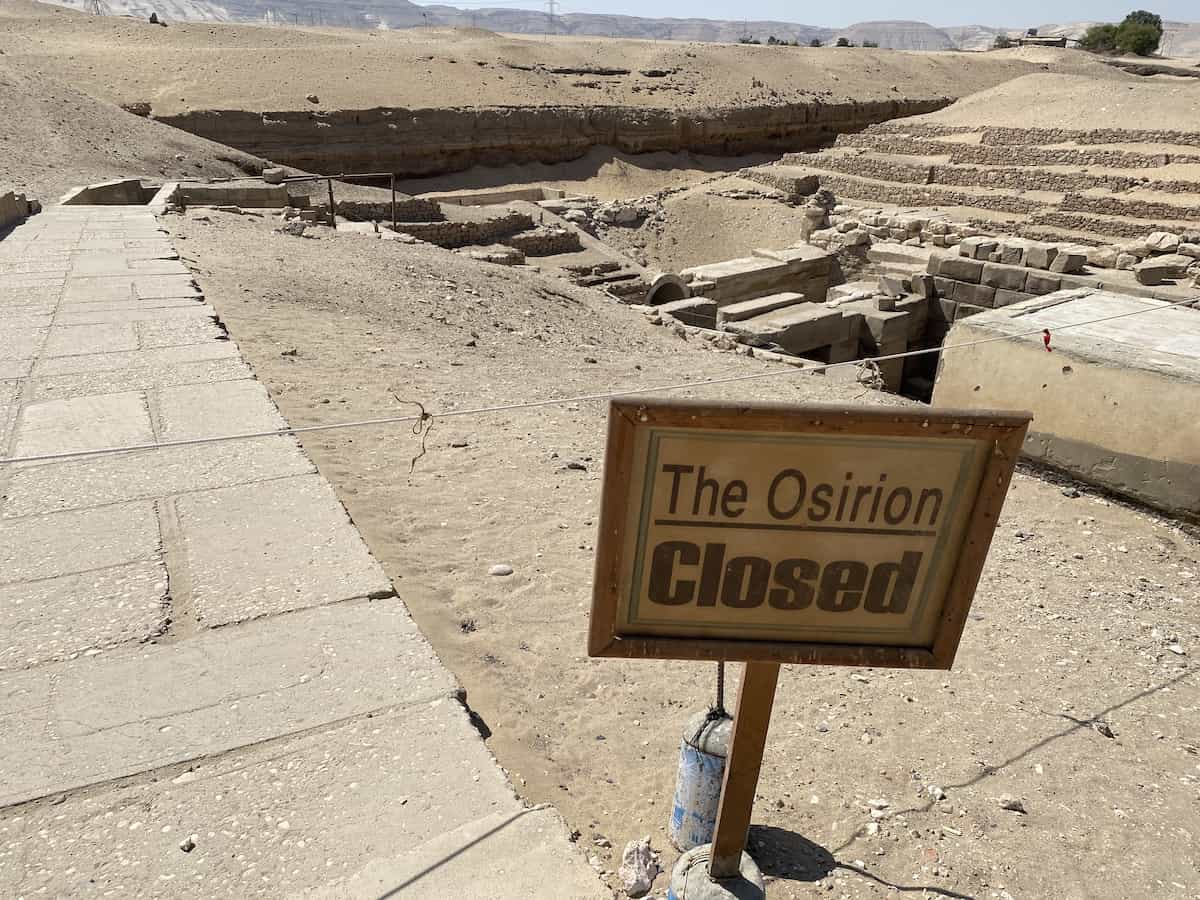
Normally the Osirion is closed to the general public because of flooding and preservation concerns. Visitors to Abydos usually see the Temple of Seti I from above, while the Osirion remains inaccessible below.
Occasionally special research visits or private tours receive permission to enter the structure. - How old is the Osirion?
If it was built during the reign of Seti I, the Osirion would be roughly 3,300 years old. However, because the structure sits far below the surrounding ground level and uses massive megalithic construction, some researchers have suggested it could be much older.
At present there is no definitive archaeological evidence proving an earlier date. - Where is the Osirion in Abydos Located?
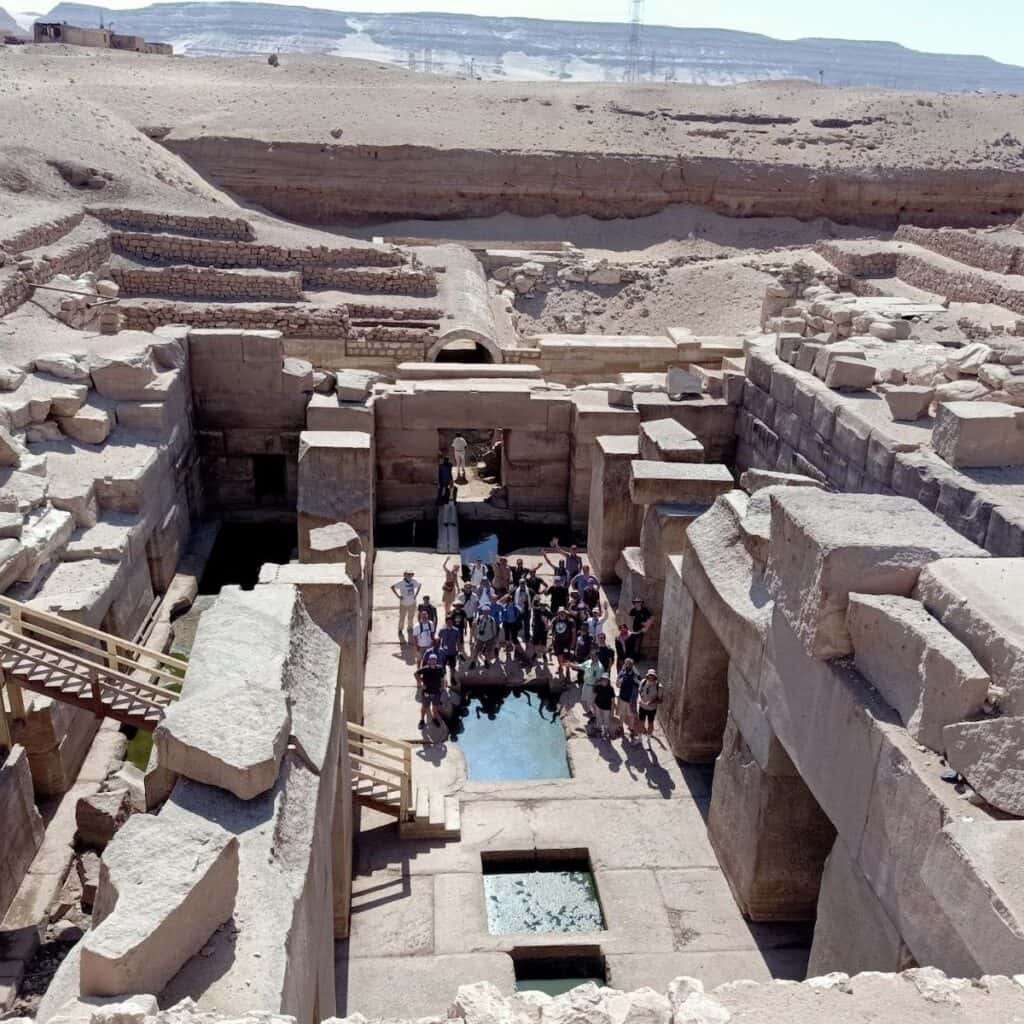
The Osirion sits directly behind the Temple of Seti I in the ancient city of Abydos in Upper Egypt, about 200 miles north of Aswan. This mysterious structure has gained attention among researchers and viewers of channels like UnchartedX who explore ancient Egyptian engineering and megalithic construction. You can see the exact location of the Osirieon at Google Maps.
Osirion vs Temple of Seti I
lthough the Osirion sits directly behind the Temple of Seti I at Abydos, the two structures appear very different in design and construction. The decorated temple above ground is clearly associated with the reign of Seti I in the 13th century BC, while the Osirion uses massive megalithic blocks and lies far below the surrounding ground level.
Key differences include:
- Temple of Seti I: Built around 1290 BC during the reign of Pharaoh Seti I
- Osirion: Often attributed to the same period, but its construction style appears much more ancient
- Temple of Seti I: Finely carved reliefs and hieroglyphic inscriptions cover the walls
- Osirion: Almost completely undecorated with enormous limestone blocks
- Temple of Seti I: Built at ground level as a traditional Egyptian temple
- Osirion: Located deep below the temple complex and partially filled with water
Because of these differences, some researchers believe the Osirion may have been an earlier structure that Seti I incorporated into his temple complex, while mainstream Egyptology generally considers it part of the same ceremonial complex dedicated to the god Osiris.
See the Osirion Explored in Video
The Osirion has been featured in several exploration videos by Ben van Kerkwyk of the UnchartedX YouTube channel, where the unusual megalithic construction and underground layout are examined in detail. These videos helped bring wider attention to the site and its architectural mysteries.
If you want to see more of the Osirion and the surrounding Temple of Seti I complex, watch Ben’s exploration video below.
Whether the Osirion was built during the reign of Seti I or represents something much older, standing inside its massive stone chambers leaves a powerful impression. The scale of the blocks and the unusual underground design make it one of the most mysterious structures in Egypt.
The megalithic construction of the Osirion is strikingly similar to the stonework seen at the Khafre Valley Temple on the Giza Plateau. Were they built by the same people? Take a look, decide for yourself, and let us know what you think.
Part of the Ben UnchartedX Egypt Tour